NAV RATRI

11 OCT- 20 OCT
OM SARVE MANGAL MANGALIYE, SHIVE SARWATH SATHIKE, SHARANAYE TREYAM
BAKE GAURI NARAYANI NAMOASTUTE
Sri Durga NavRatri
Sri Vijaya Dushera
Nav Ratri is traditionally the best time to start new ventures in life - be it spiritual or
material. It is a time of purification through strict fasting and seeking divine
blessings of our supreme Goddesses for the three most important aspects of life -
health, wealth and knowledge.
Often referred to as Shradhiye Nav Ratri, this festival is predominant among Hindus
of all origins - North India, Bengal, Western India especially Gujarat, South India to
Punjab. It starts a day after the Pitra Paksh Shradh amavasiya on the first day of new
moon of the Ashwin month and runs to the ninth day.
Sri Nav Ratri Festival marks the worshipping of our three principal Goddesses - Sri
Saraswati, Sri Laxmi and Ma Durga/ Kali. As the name suggests, Nav Ratri means
celebration over nine nights. Literally, we celebrate Nav Ratri twice a year, the first
is March during the births of Sri Ram and his three brothers. Both the Nav Ratri can
be over eight or 10 nights - depending on the movement of the moon - thus Hindu
lunar calendars could make this festival a day short or even a day more.
Nav Ratri is divided into three equal days in which each of Goddesses are invoked
to seek their blessings.
1st , 2nd & 3rd nights of Nav Ratri
Lord Shiva's wife, Devi Parvati, Kali or as Ma Durga - she is worshipped during the
first three nights. Ma Durga is regarded as the Mother of Valour, Power & Energy
(adi shakti - highest strength). Celebrations and fasting during these days are
dedicated to Ma Durga's divine ruup (form). By fasting and performing yagna
sacrifices during these days, we ask ma Durga to destroy our sins, deficiencies and
prepare us for the year ahead.
4th, 5th & 6th nights of Nav Ratri
Lord Vishnu's wife, Ma Lakshmi is prayed to during these days for shanti (peace),
abundance and bliss (prosperity). Wealth is not the only aspect of life that Ma
Lakshmi governs, she also aids in basic things like families, friends and food.
7th, 8th & 9th nights of Nav Ratri
Brahma's wife, Ma Saraswati is giver of knowledge - education and ability to use it
for a proper living in life. Knowledge in all aspects is obtained from Devi Saraswati -
not just spiritual but also the ability to comprehend things and decide between
what is dharma and what is adharma.
During the last days of Nav Ratri, Kanya Puja is also observed - where nine young
girls representing the nine forms of Goddess Durga are worshipped.
10 th day - Vijaya Dussera
This is the day, Sri Ram destroyed Ravana, the demon king of what is now Sri Lanka.
An effigy of Ravana is usually burnt on this day to mark the end of evil (Ravan) and
triumph of good (Sri Ram).
Garba & Dandiya Raas
Garba originates from Sanskrit Garba Deep - Garba meaning inside and Deep
referring to Diya. Ladies place a Garbha Deep in the middle as a symbol of shakti/
Ma Durga and dance around it with clapping hands and singing praises of Ma
Shakti.
Dandiya Raas is somewhat connected to Garba but it was traditionally performed
by the men. It originated in Gujarat and dances are performed in similar fashion in
circular groups but using a pair of bamboo sticks.
Ma ki Chowki & Jagran
Ma ki Chowki & Jagran was originally intended as an all night vigil where praises of
Mata are sung from early night till the dawn of the next day, however recently and
particularly in western countries - Jagran is held to midnight.
Special Puja Details
1) Puja requirements - Shringhar Samagri - bangles, chunri, sindoor, small mirror,
comb, neckalce, earrings, ring, kajal, mehandi, bindi, chandan powder, kumkum,
raw rice, kapur, attar, dhoop, Devi Durga murtis, water, coconut, prasad.
2) Fastings - For best benefit out of your Nav Ratri festival, observe full nine days
of fast on fruits and milk.
Sri Durga Devi Puja
32 MISTAKES WE SHOULD AVOID DURING OUR DAILY WORSHIP
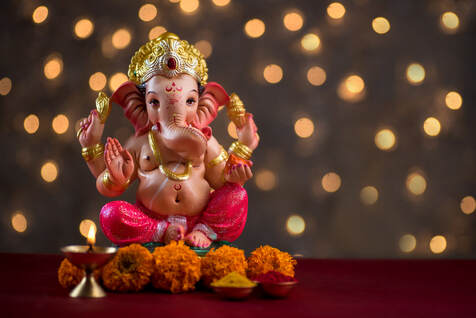
पूजा अर्चना में वर्जित काम
१) गणेश जी को तुलसी
२) देवी पर दुर्वा
३) शिव लिंग पर केतकी फूल
४) विष्णु को तिलक में अक्षत
५) दो शंख एक समान
६) तीन गणेश
७) तुलसी चबाना
८) द्वार पर जूते चप्पल उल्टे
९) दर्शन करके बापस लौटते समय घंटा
१०) एक हाथ से आरती लेना
११) ब्राह्मण को बिना आसन बिठा
ना
१२) स्त्री द्वारा दंडवत प्रणाम
१३) बिना दक्षिणा ज्योतिषी से पूछना
१४) घर में अंगूठे से बड़ा शिवलिंग
१५) तुलसी पेड़ में शिवलिंग
१६) गर्भवती महिला को शिवलिंग स्पर्श
१७) स्त्री द्वारा मंदिर में नारियल फोडना
१८) रजस्वला स्त्री का मंदिर प्रवेश
१९) परिवार में सूतक हो तो पूजा प्रतिमा स्पर्श
२०) शिव जी की पूरी परिक्रमा
२१) शिव लिंग से बहते जल को लांघना
२२) एक हाथ से प्रणाम
२३) दूसरे के दीपक में अपना दीपक जलाना
२४) अगरबत्ती जलाना बांस की सींक वाली
२५) देवता को लोभान या लोभान की अगरबत्ती
२६) स्त्री द्वारा हनुमानजी शनिदेव को स्पर्श
२७) कन्या ओ से पैर पडवाना
२८) मंदिर में परस्त्री को ग़लत निगाह से देखना
२९) मंदिर में भीड़ में परस्त्री से धक्का मुक्की
३०) साईं की अन्य प्रतिमाओं के साथ स्थापना
३१) शराबी का भैरव के अलावा अन्य मंदिर प्रवेश
३२) किसी तांत्रिक का दिया प्रसाद,
ये पूर्ण रूप से वर्जित हैं!
1) Never offer Sri Ganesh Tulsi leaves
2) Never offer durwa grass or tulsi to Ma Durga
3) Never offer Ketki flower on Shiva ling
4) Never offer rice to Sri Hari Vishnu
5) Never keep two sunk conch shell 🐚 of the same type
6) Never keep three Sri Ganesh on one shrine
7) Never eat or munch on tulsi leaves
8) Never leaves shoes upside down Mandir entrance
9) Do not ring bell ghanta whilst leaving Mandir after darshan
10) Never take Aarti with one hand
11) Never let a brahman sit without an assan
12) A lady or girl should not do dandwat pranaam - offering pranayam by lying flat
on ground
13) Never leave an astrologer without paying
14) Never keep a Shiv ling inside a house which is longer than a thumb
15) Never keep Shiv Ling and Tulsi plant together
16) Pregnant ladies should not take ashirvadh by touching feet
17) Ladies should not break a coconut inside a Mandir
18) Ladies should not enter Mandir or touch dieties during menstruation
19) During sutak - birth and death in family - all family members should avoid any f
form of prayers for 13 days
20) Never ever do full parikarma of Shiv Ling
21) Never cross or step over water that has been through the Shiv Ling or any other
statue
22) Never do pranayam with one hand
23) Never light one diya with another
24) Never use agarbathi - instead use dhoop because of use of bamboo in agarbathi
25) Never offer lobhaan to
Dev and deviya
26) Ladies should avoid Abhishek of Hanuman ji or
Shani Dev
27) Never let unmarried girls touch feet
28) Never see other ladies in Mandir with evil eye
29) Avoid being bumped into others especially ladies in Mandir
30) Never keep statue of Satya Sai baba or your own guru on your main puja shrine
31) A intoxicated person should never enter a Mandir except Sri Bhairav mandir
32) Never take prasad from a tantrik priest.
How much do we know about our holy shrines?
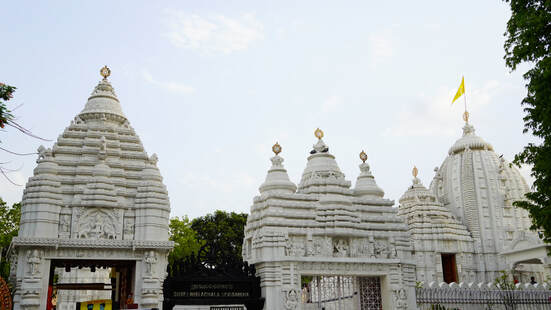
Hindus believe and worship many teerath (holy shrines) mainly located
in India.
They could be rivers, birth places of our avatars gods like Sri Ram and
Sri Krishna or
any of the divine places they visited.
Below is a PDF file encompassing all principal holy shrines commonly
visited by
Hindus from world over.
Download the Hindu Cosmos 2026 calendar below.
Learn about Tulsi leaf healing powers.
